

Servo Panel Bender (LPB Series)
Precise and fast bending solutions: the LPB series servo panel bender holds and rotates the sheet inside the machine while bending. With a cast frame, fully closed-loop servo system and C-type feeding arm, it is available in the LPB1400, LPB2000, LPB2500 and LPB3000 models.
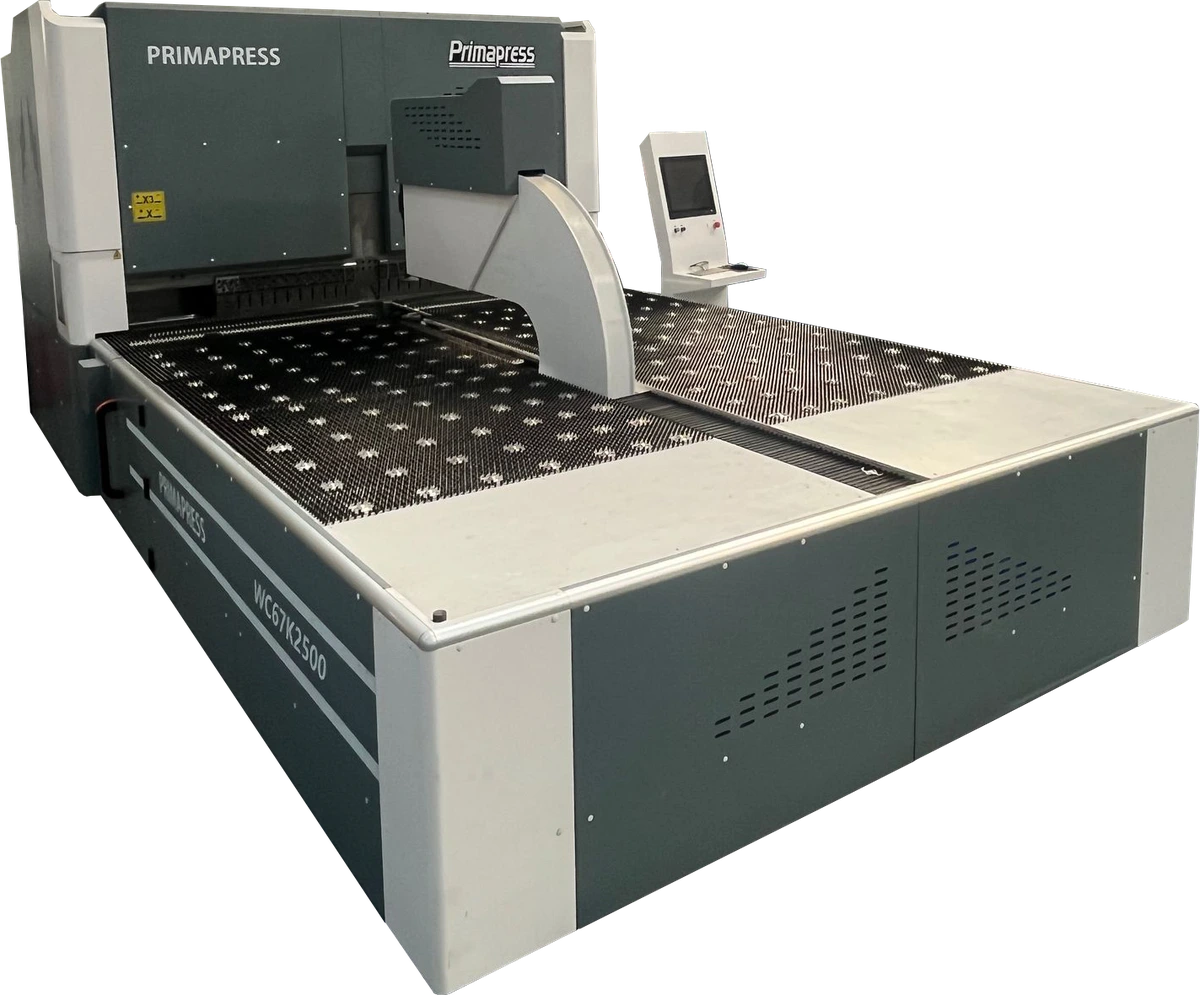
LPB Models
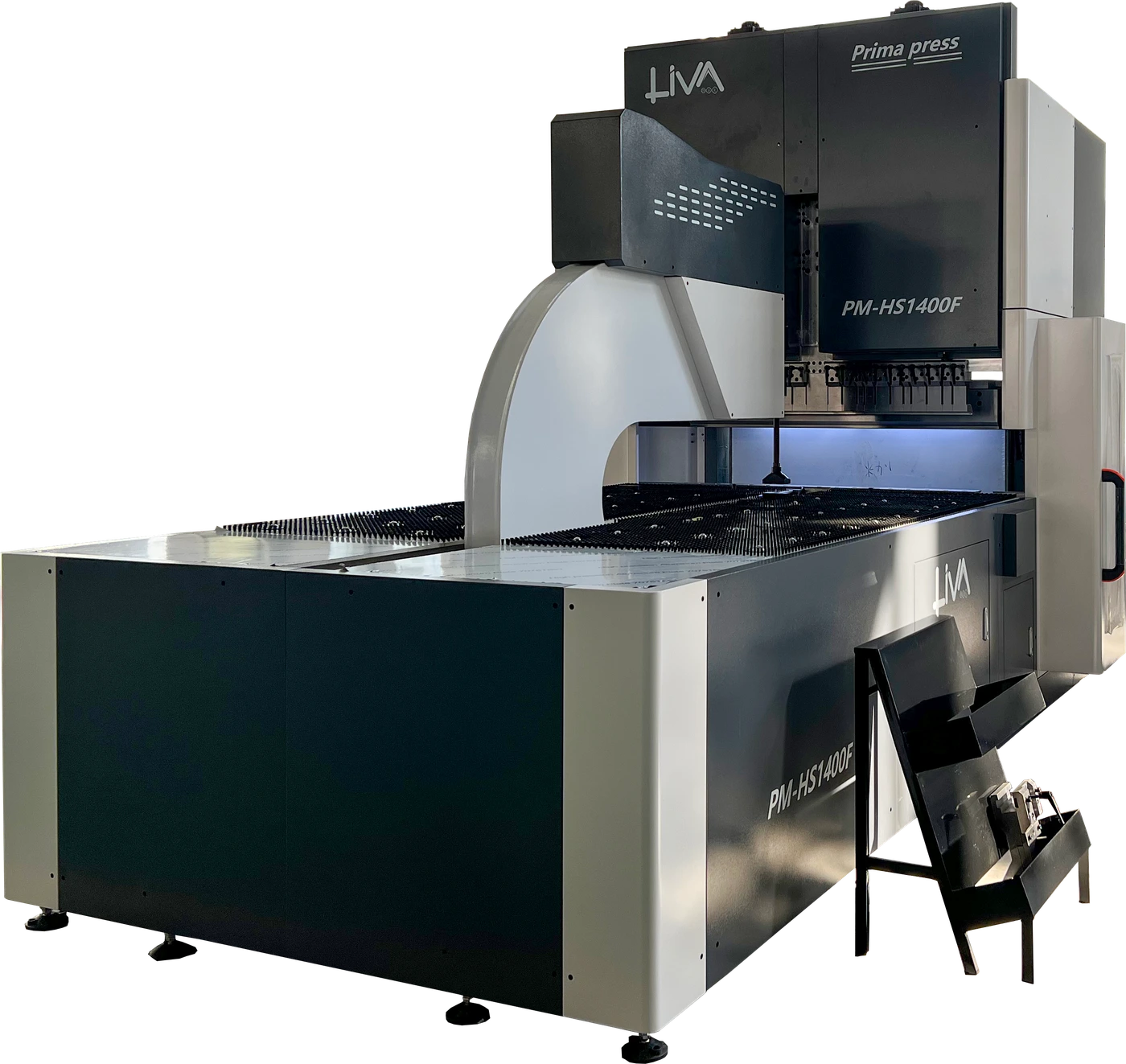 LPB1400Sheet length 1400 mm · S / HSDetails →LPB2000Sheet length 2000 mm · S / HS / HS-3Details →
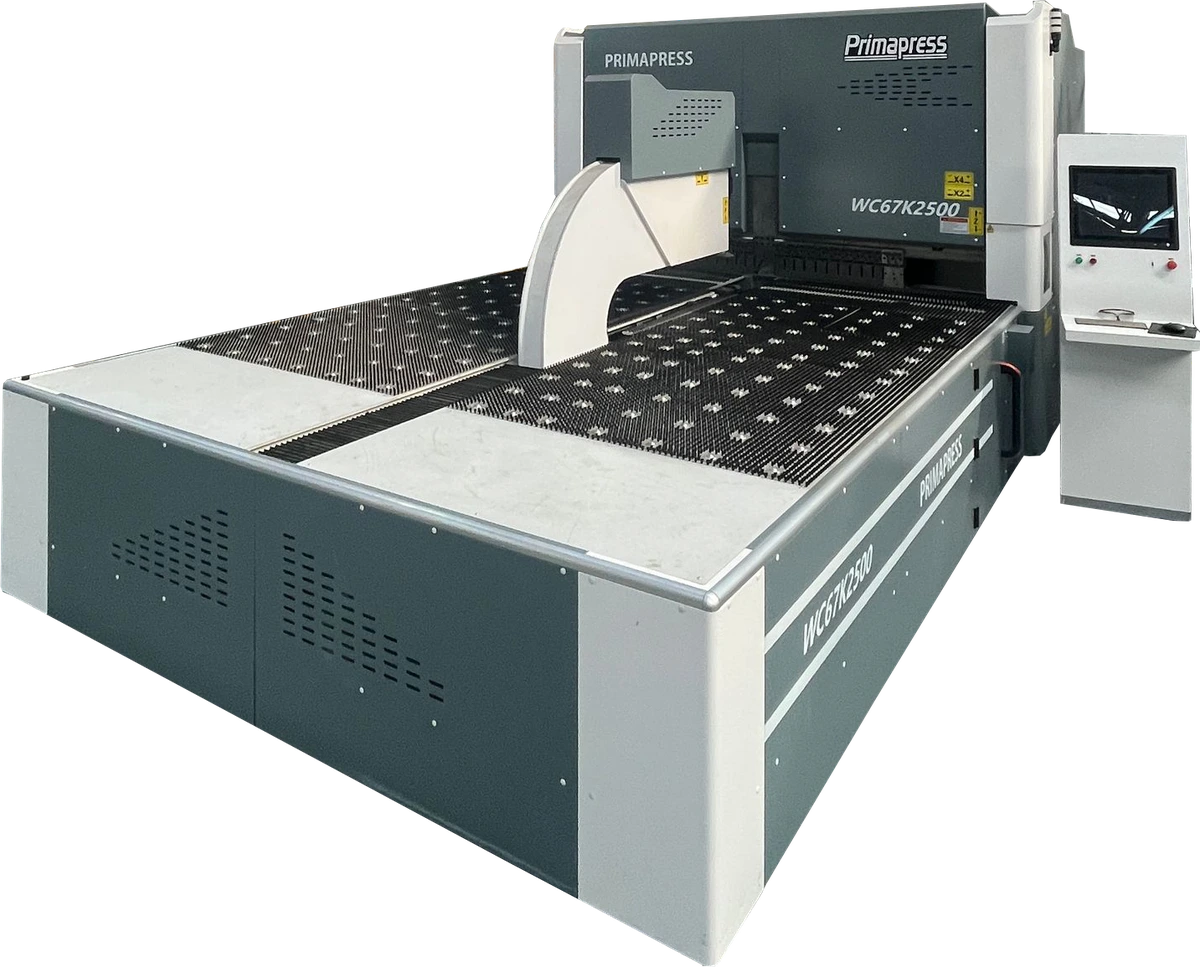 LPB2500Sheet length 2500 mm · S / HS / HS-3Details →
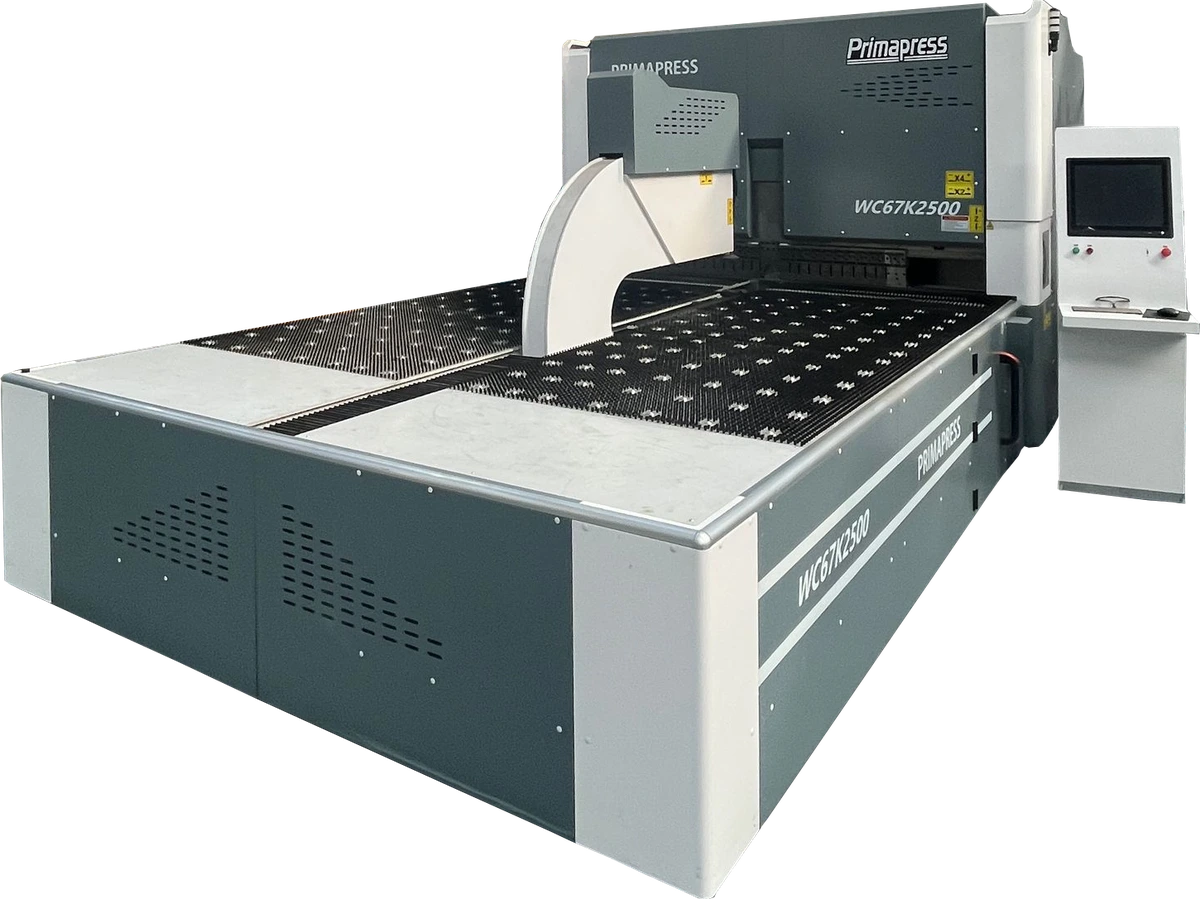 LPB3000Sheet length 3000 mm · S / HS (3200)Details →
Advantages of the Panel Bender Bending Center
Fully automatic and easy to use, with no separate programming or setup personnel. The universal tool adjusts automatically to the size set by the program.
- Energy Savings: 64% lower CO₂ emissions than hydraulic press brakes.
- High Accuracy: 0.01-degree stability and servo clamping for error-free bending.
- Operator Safety: No manual plate lifting; injury risk is minimized.
- Low Maintenance Cost: No extra tooling needed, 65% savings.
- High Efficiency: No tool changes; 0.2 s fast positioning.
- Easy to Use: Smart programs remove the need for highly skilled operators.
Axis Movements
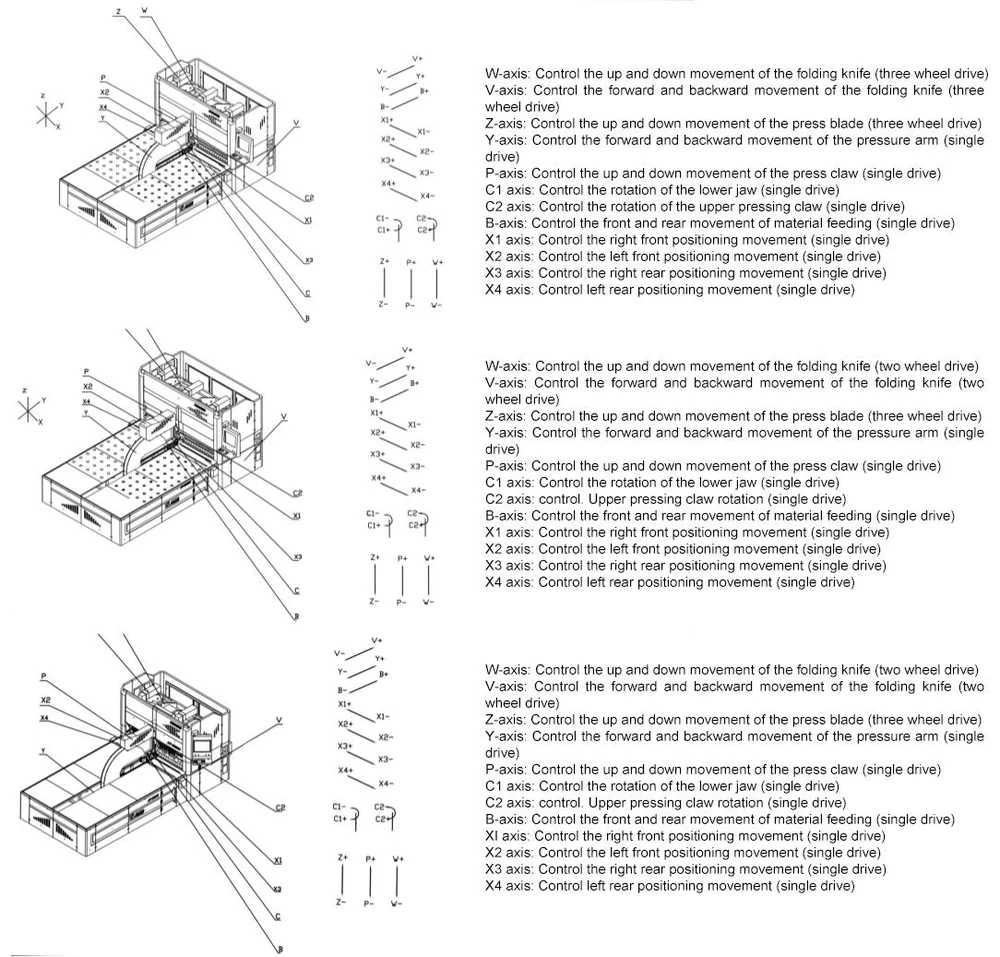
- W: Up and down movement of the folding blade
- V: Forward and backward movement of the folding blade
- Z: Up and down movement of the press blade
- Y: Forward and backward movement of the pressure arm
- P: Up and down movement of the press claw
- C1: Axis controlling the rotation of the lower jaw
- C2: Axis controlling the rotation of the upper pressing claw
- B: Front and rear movement of material feeding
- X1: Right front positioning movement
- X2: Left front positioning movement
- X3: Right rear positioning movement
- X4: Left rear positioning movement
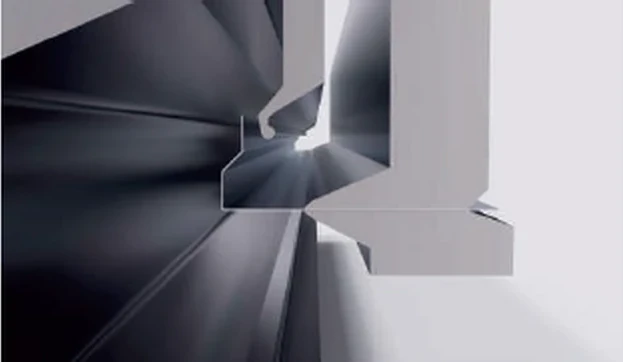
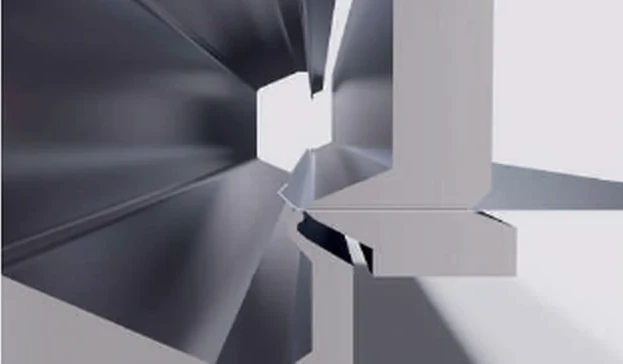
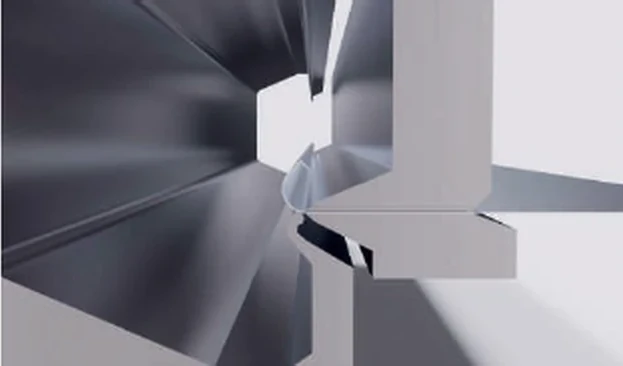
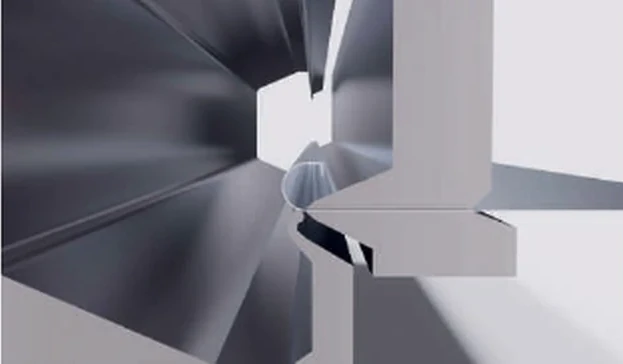
Bending Sequence
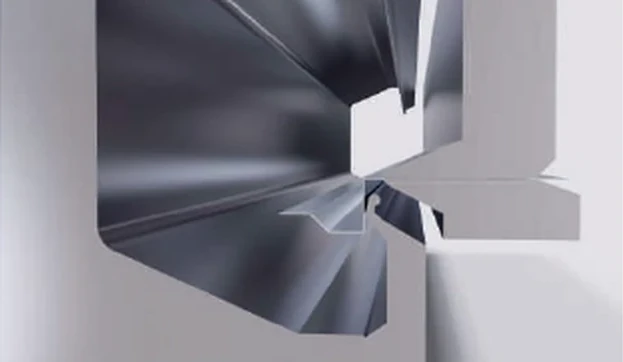
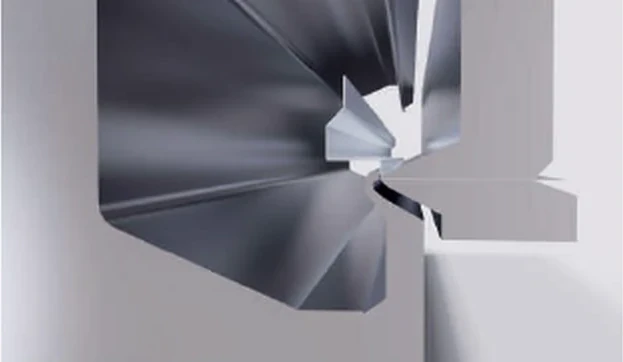
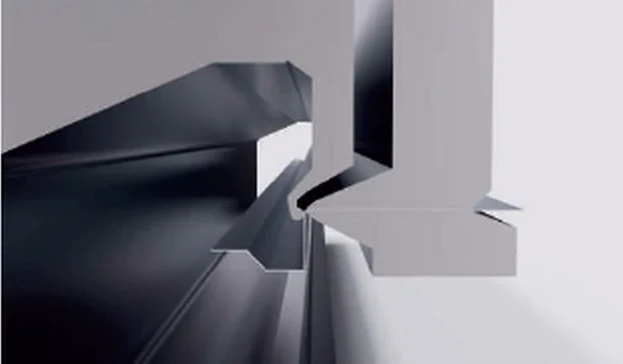
Frame Structure
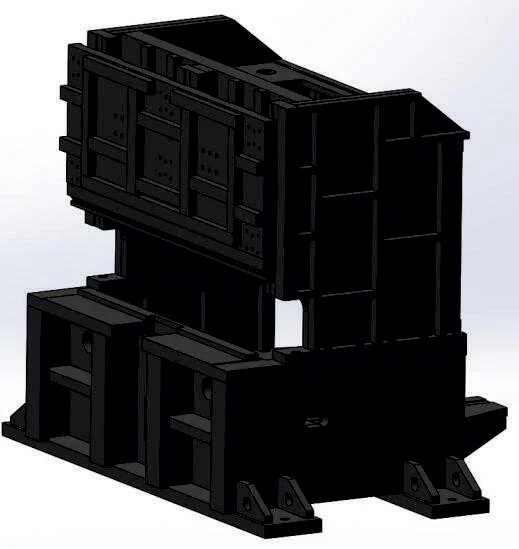
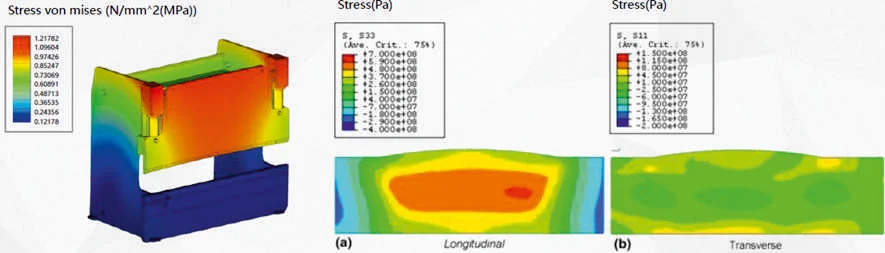
The frame of servo panel bender machines is a cast body with a rigid structure for minimum deflection under load and maximum accuracy. After welding and machining, high-temperature heat treatment and stress relief are applied to improve the mechanical properties of the material, reduce deformation and increase the stability and durability of the workpiece. This gives the frame long-lasting, stable accuracy.
Control Panel
The user-friendly interface of the control panel, developed in cooperation with German partners, lets operators manage the machine easily and perform even the most complex bending operations effortlessly. With the 3D graphic screen you can view and manage corner bends.
Auxiliary Folding Blade System (Optional)
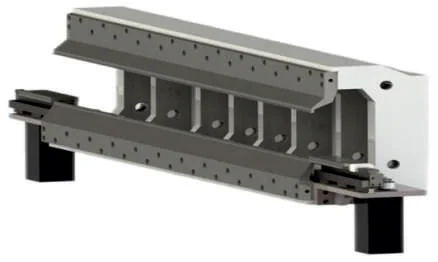
Two servo motors drive the auxiliary folding blades at both ends. The system uses them automatically according to the plate bending program, making one-sided local bending of plates possible and enriching bending styles.
It can be configured with lower and upper auxiliary folding blades according to the needs of the plate.
The auxiliary folding blade is made of Japanese high-speed steel with general quenching and surface hardening for long life and maximum accuracy.
Automatic Tool Change (Optional)
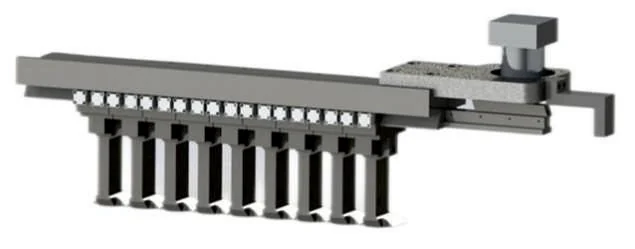
A servo motor moves the guide plate so that each press tool can be moved individually. The system automatically selects and arranges the combination of press tools according to the sheet size and bending requirements.
The press tool is made of quenched and hardened Japanese high-speed steel for long life and high accuracy.
Automatic Loading and Unloading System (Optional)
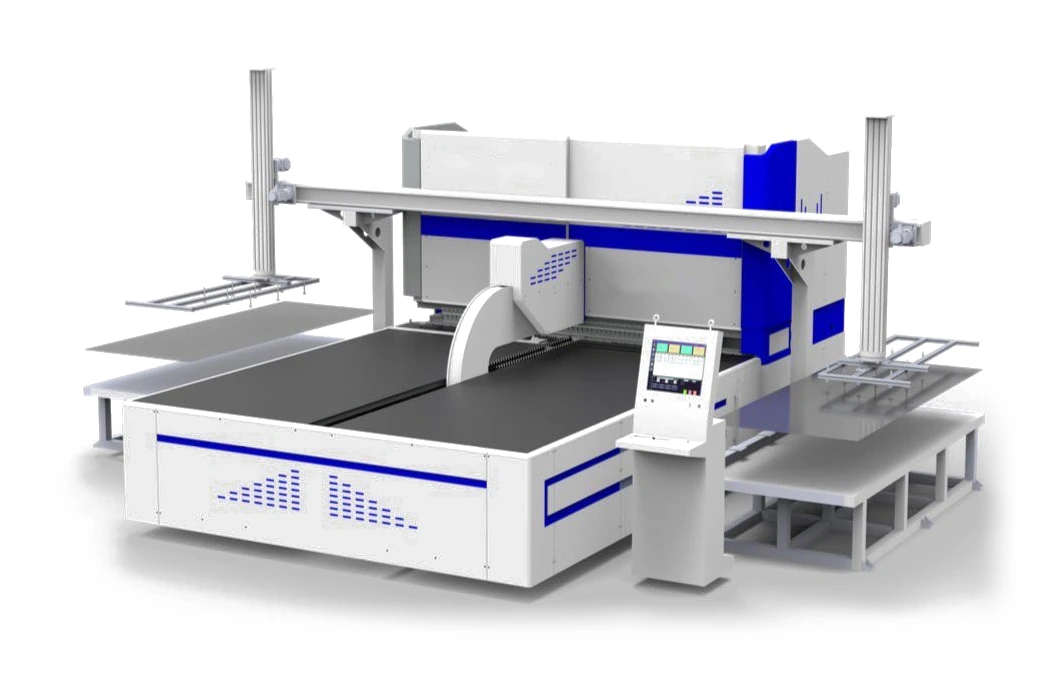
The automatic loading and unloading system provides an integrated working infrastructure that significantly increases production capacity and maximizes bending efficiency. With servo-driven systems on both sides, the loading and unloading of the sheet to be bent move in harmony.
Fully Automatic Production Line Solution (Optional)
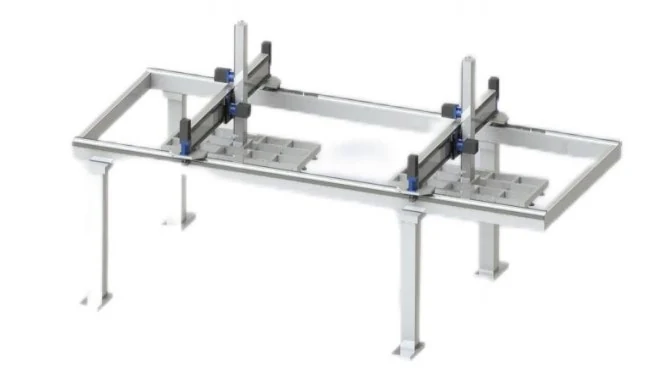
The three-axis dual-head moving gantry uses a single-beam, dual retrieval arm design. Retrieval arm 1 moves the cut plate from the laser cutting machine to the single-axis conveyor; arm 2 moves it on the conveyor to the CNC punching machine table. The dual-arm design speeds up plate handling and improves the rhythm of the whole line. The arm grips plates with vacuum cups, and the number of cups can be chosen freely.
The gripping arm uses a servo motor directly connected to a reducer drive supported by a gear drive component, and a linear guide structure for high transmission accuracy and stable performance. Its up and down movement also uses a linear guide and servo drive.
Industries Served
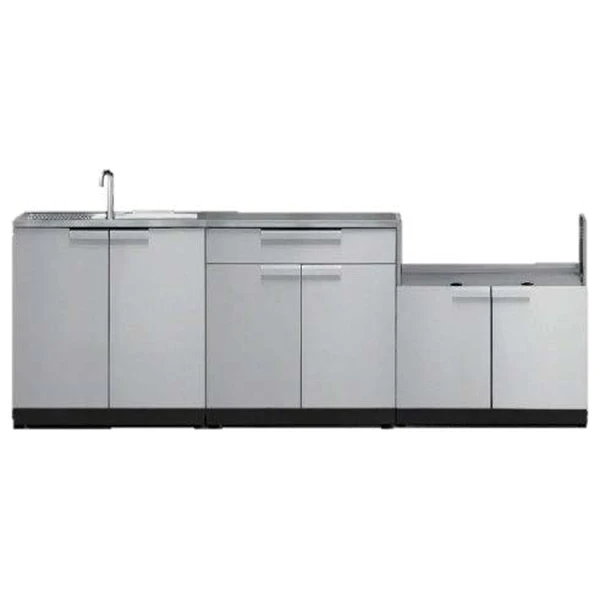 Commercial kitchens
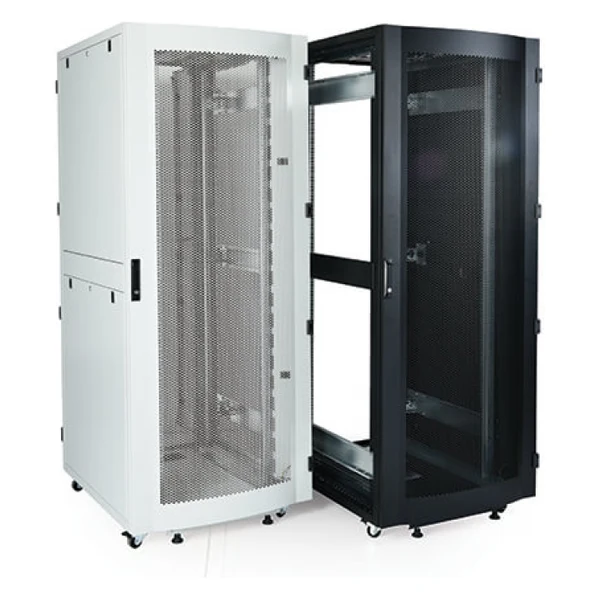 Electrical cabinet and enclosure production
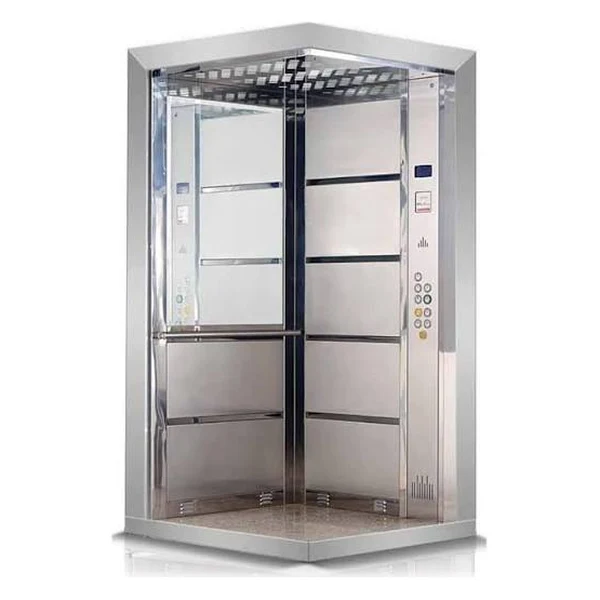 Elevator cabins
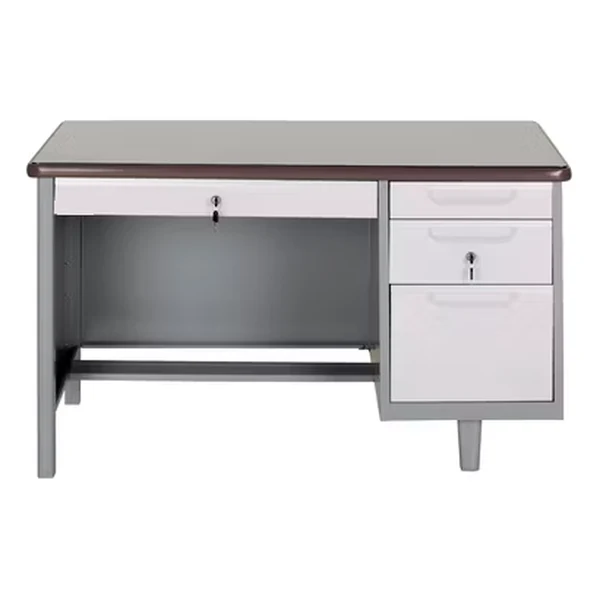 Office furniture
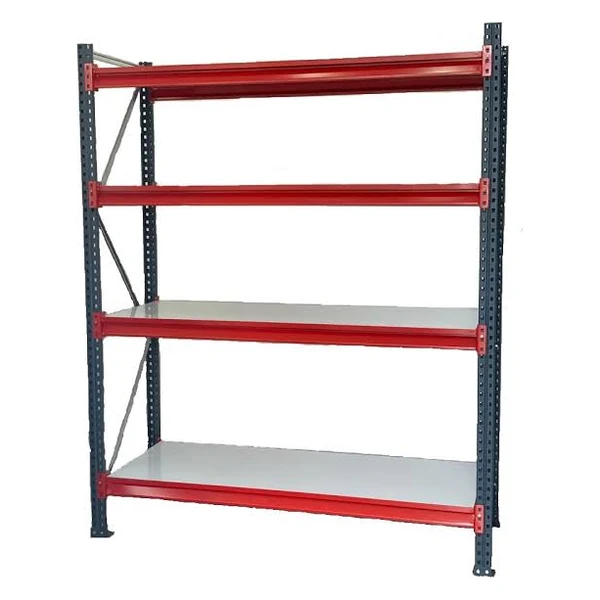 Shelving systems
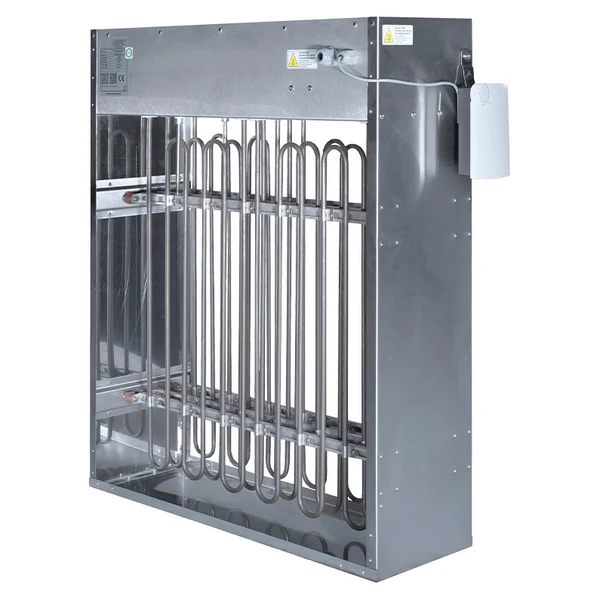 Heating and ventilation
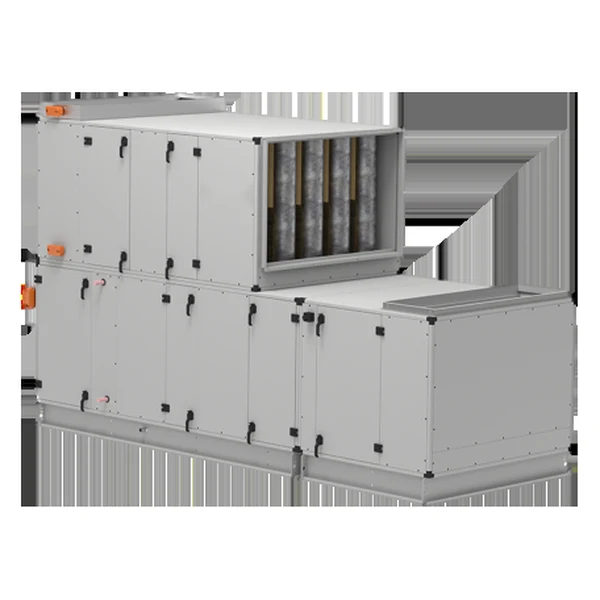 Air conditioning
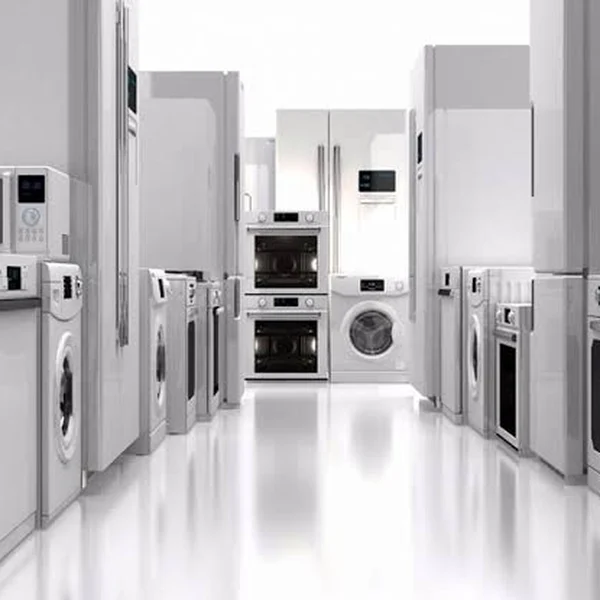 Home appliances
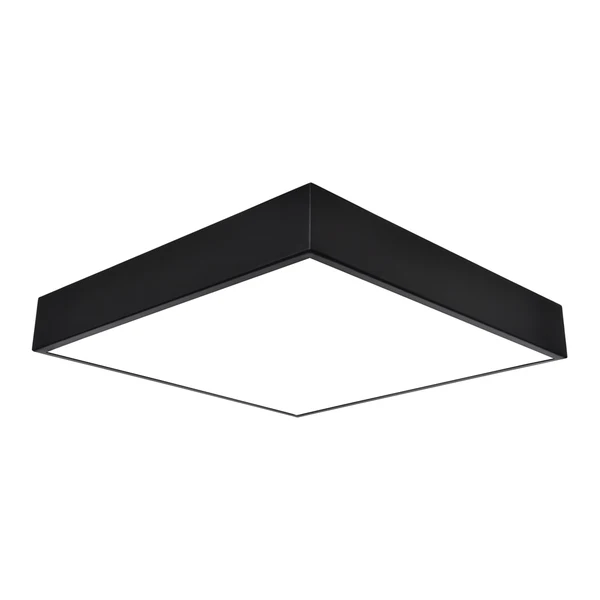 Lighting fixtures
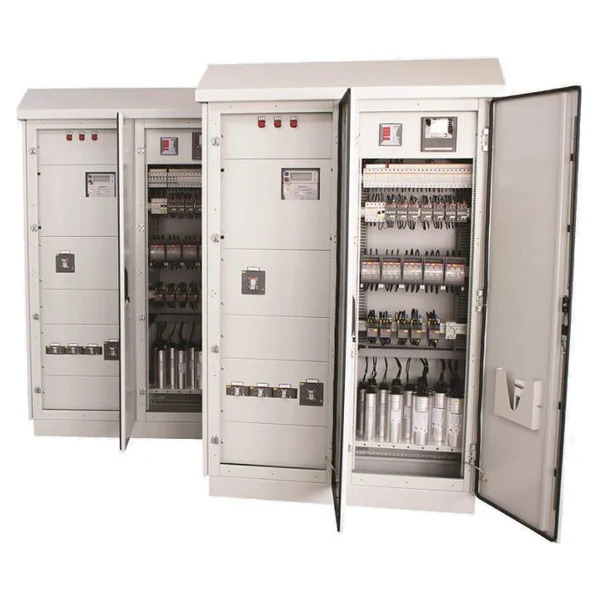 Telecommunication cabinets
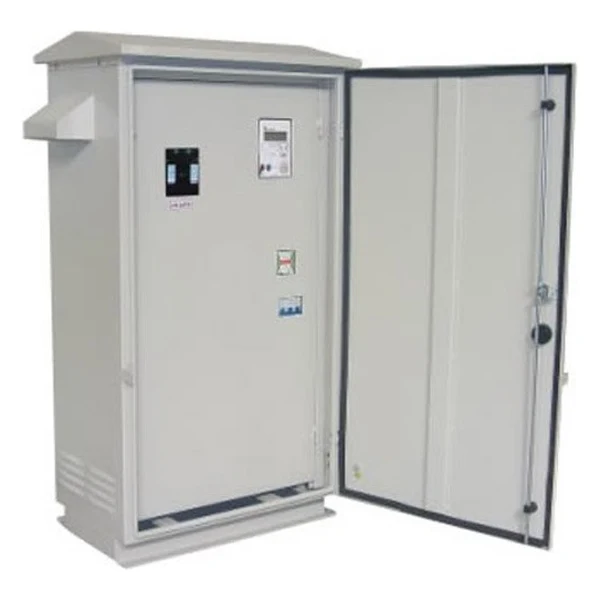 Electrical cabinets
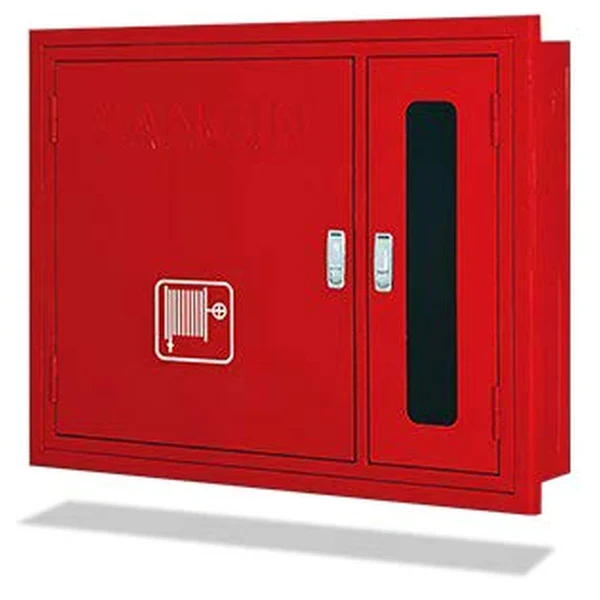 Fire cabinets
Components Used
| Product | Brand / origin | Feature |
|---|---|---|
| Servo Motor | INVT | Fully closed-loop servo system |
| Linear Guides | YLDG / HIWIN (Tayvan) | Super heavy-duty type |
| Ball Screw | TBI / ROUST (Tayvan) | Heavy-duty type |
| Electrical Components | Schneider (Fransa) | |
| Bearings | NSK (Japonya) | Heavy-duty, high-precision lead screw bearing |
| Gearbox | MOTOREDUCER (Fransa) | Ultra precise |
| Pneumatic Equipment | AirTAC (Tayvan) | |
| Bending Tools | Aiotek (patentli) | Japanese high-speed steel 42CrMn; general quenching, surface hardening and laser quenching of the working area |
Documents
- Product contents
- Certificates
- Manual
- Drawing diagram
- Electrical diagram
- CNC system information
Equipment and Spare Parts
- Screws M42: 1 set
- Hex socket wrench S1.5-S10: 1 set
- High-pressure grease gun: 1 pc
- Pneumatic hose Ø8: 5 meters
- Pneumatic T connector Ø8: 2 packs
- Basic accessories: 1 set
- Cable ties L200: 30 pcs
- Socket head screws M10×45 Grade 12.9: 6 pcs
Operating Requirements
In areas with strong vibration and electromagnetic interference, the necessary precautions must be taken. The electrical capacity of the installation site must be checked and action taken before installation if needed.
A minimum 6 bar air supply is required. Dry air is important; a dryer should be provided if needed. Moisture changes friction in pneumatic components and wears seals; freezing in winter can cause greater damage.
380 V, 50 Hz; voltage fluctuation -5% to +10%. If voltage fluctuates widely, a voltage stabilizer should be used; otherwise faulty bends, stoppages from motor alarms and computer failures may occur.
It should be 0 °C to +40 °C. Temperatures below 0 °C freeze parts that may contain water and make lubricating oil too viscous. Relative humidity of about 20% to 80% (non-condensing) is recommended.
Frequently Asked Questions
What is a panel bender?
A panel bender is a CNC sheet bending center that holds the sheet with a manipulator and bends its edges automatically with bending blades. In most jobs the sheet is bent on several edges without manual turning, which saves time and labor on multi-edge parts such as panels, enclosures and covers.
Which models are in the LPB series?
The series includes the LPB1400, LPB2000, LPB2500 and LPB3000; the numbers show the maximum sheet length (mm). Models come in versions such as S, HS and HS-3, and each model page has its own technical specifications table.
Which optional equipment is available?
An auxiliary folding blade system, automatic tool change, an automatic loading and unloading system and a fully automatic production line solution are available as options.
Can I get pricing?
We do not publish prices on the site. For a quote prepared for the model, version and options, fill in the contact form or call us.
Which model suits me?
The choice depends on your longest sheet, sheet thickness and material, daily output and automation needs. Send us your part samples and we will determine the right model together.
Request a quote for the panel bender Back to the panel bender group