
What Is a Panel Bender?
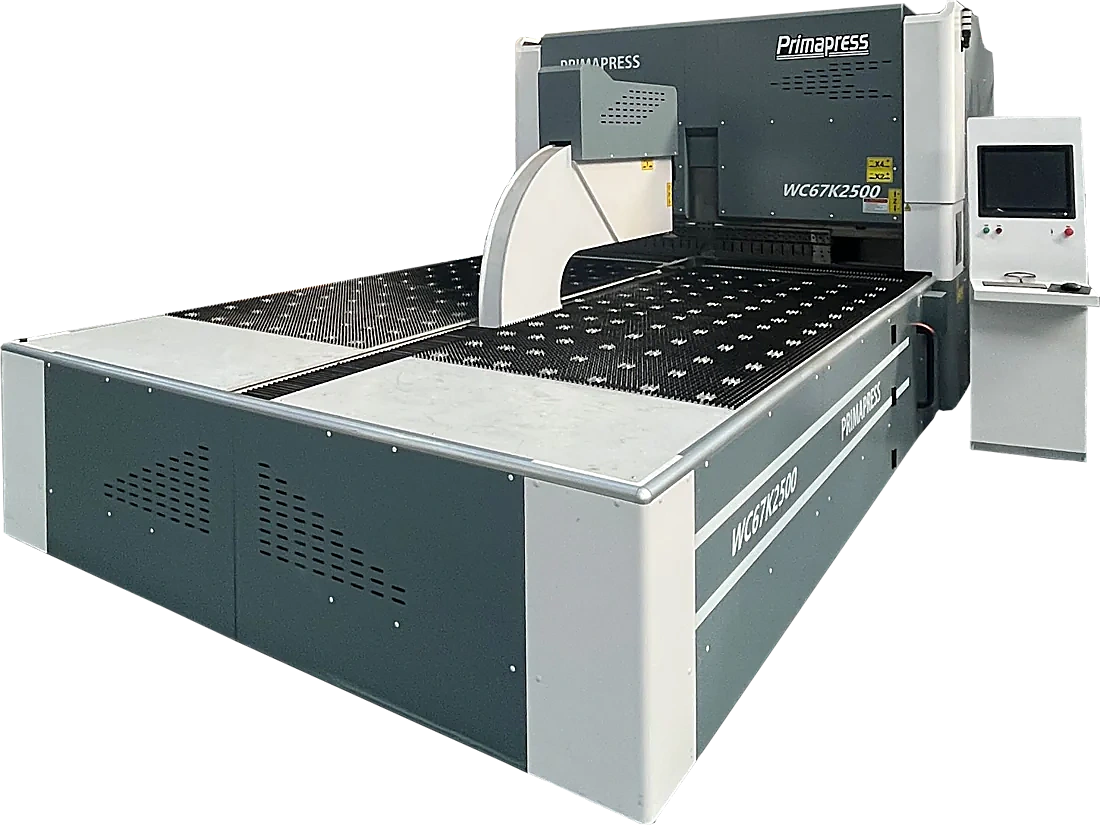
A panel bender (automatic panel bending machine, automatic bending center) is a CNC machine designed mainly for parts bent on all four sides, such as panels, cabinets and housings. The sheet is placed on the machine table, a manipulator grips it and moves it to the right position for each bend, and bending blades that can move up and down perform the bend.
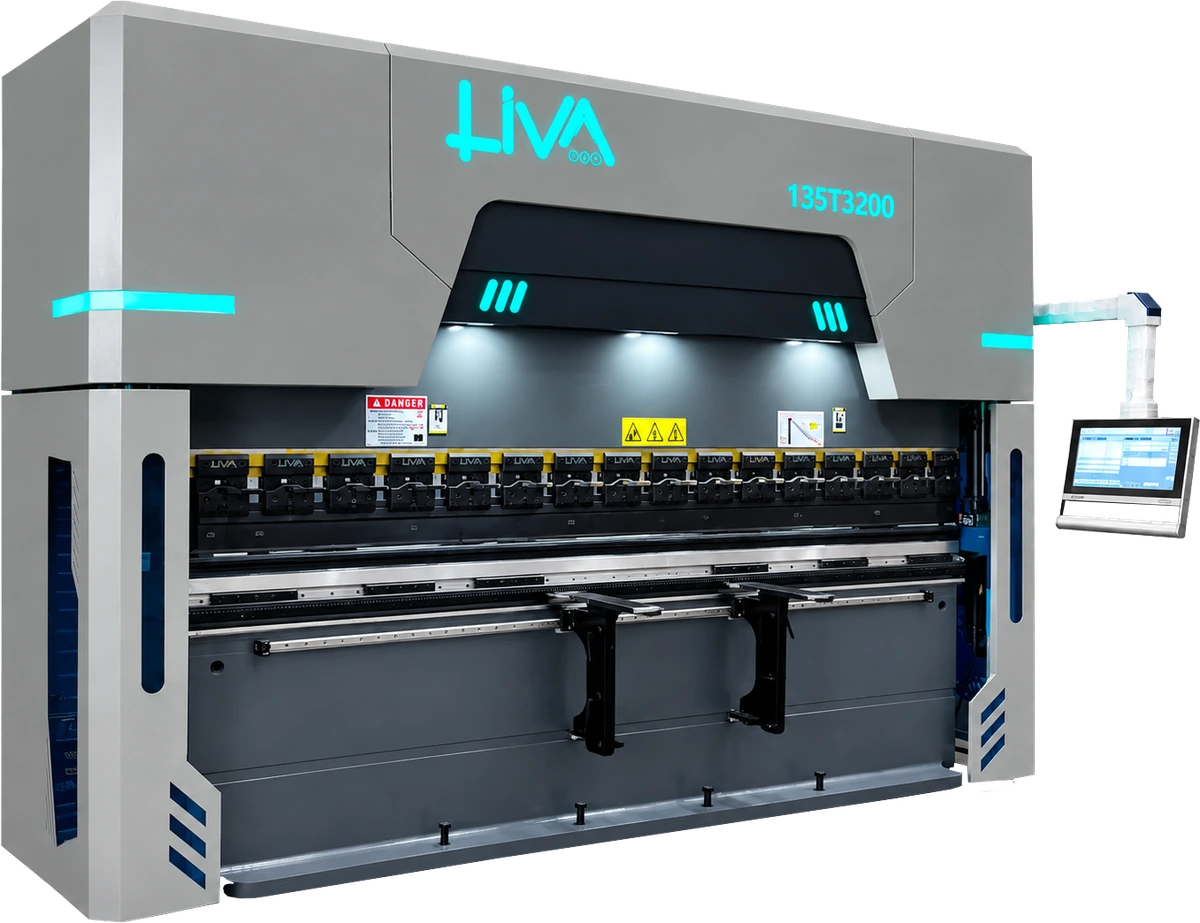
On a press brake the operator turns and repositions the part for every bend. On a panel bender the machine does that work.
How Does It Work?
- The sheet is loaded on the table (by hand or with automatic feeding).
- The manipulator grips the sheet and brings it to the bending line.
- The bending blades move up or down to make the bend.
- The manipulator rotates the sheet and positions the next edge.
- All edges are bent until the program is complete, then the part is removed.
Because the blades can bend both upward and downward, the sheet does not have to be flipped. Programming is usually done from a drawing or a ready file, so changing to a new part is quick.
Panel Bender Vs. Press Brake
| Feature | Press brake | Panel bender |
|---|---|---|
| Part positioning | Operator | Machine (manipulator) |
| Operator dependence | High | Low |
| Tool changes | May be needed per part | Usually minimal |
| Part variety | Very wide (thick sheet, profiles, heavy parts) | Very efficient on panel and cabinet type parts |
| Thick sheet | Suitable (depends on tonnage) | Usually thin and medium sheet |
| Small and medium batches, high mix | Good | Very good |
In short, the two are complementary rather than competing. A panel bender reduces time and operator effort on panel and cabinet work. A press brake remains indispensable for flexibility and a wide range of parts. Many shops use both.
Advantages
- Less operator handling: The machine takes over turning and positioning.
- Fast cycles: Total time drops on parts with many edges.
- Consistent quality: Every part is bent with the same program, so operator-related variation shrinks.
- Quick part changeover: Few tool changes give flexibility in small batches.
- Safety: The operator does not need to reach into the bending area.
- Surface protection: Less sliding of the part helps on painted and delicate surfaces.
Limits
- Usually suitable for thin and medium sheet. Check thickness and size limits for each model.
- Very deep boxes or profile-like parts may have limitations.
- The initial investment is higher than a press brake, so your volume and part variety should justify it.
Which Industries Use It?
- Elevator cabins and panels
- Electrical panels and cabinet manufacturing
- Ventilation and air-conditioning housings
- Commercial kitchen equipment
- Metal furniture and shelving systems
- Appliance and device housings
What to Look for When Choosing
- Maximum sheet size and thickness: It must fit your largest and thickest part.
- Loading and unloading: Manual or automatic options.
- Software: Ease of generating programs from drawings and CAD compatibility.
- Part variety and batch size: Affects the return on investment.
- Service and training: Operator training and after-sales support.
Browse our panel bender products or describe your parts and request a quote.
Frequently Asked Questions
Does a panel bender replace a press brake?
It can largely replace it on panel and cabinet type parts, but a press brake is still needed for thick sheet, profiles and very different parts. Many shops use both.
What sheet thickness can a panel bender bend?
It usually bends thin and medium sheet. The exact limit depends on the model and material, so check the technical documentation.
Are tool changes needed?
Panel benders generally use adjustable or standard blades, and tool changes are far fewer than on a press brake.
Is programming difficult?
Programs are usually generated from a drawing or a ready file. Operator training and the software's CAD compatibility shape the workflow.
Which shops is it suitable for?
Shops that produce many different panel and cabinet parts in small and medium batches and want to reduce operator dependence.