
Why Is Preventive Maintenance Important?
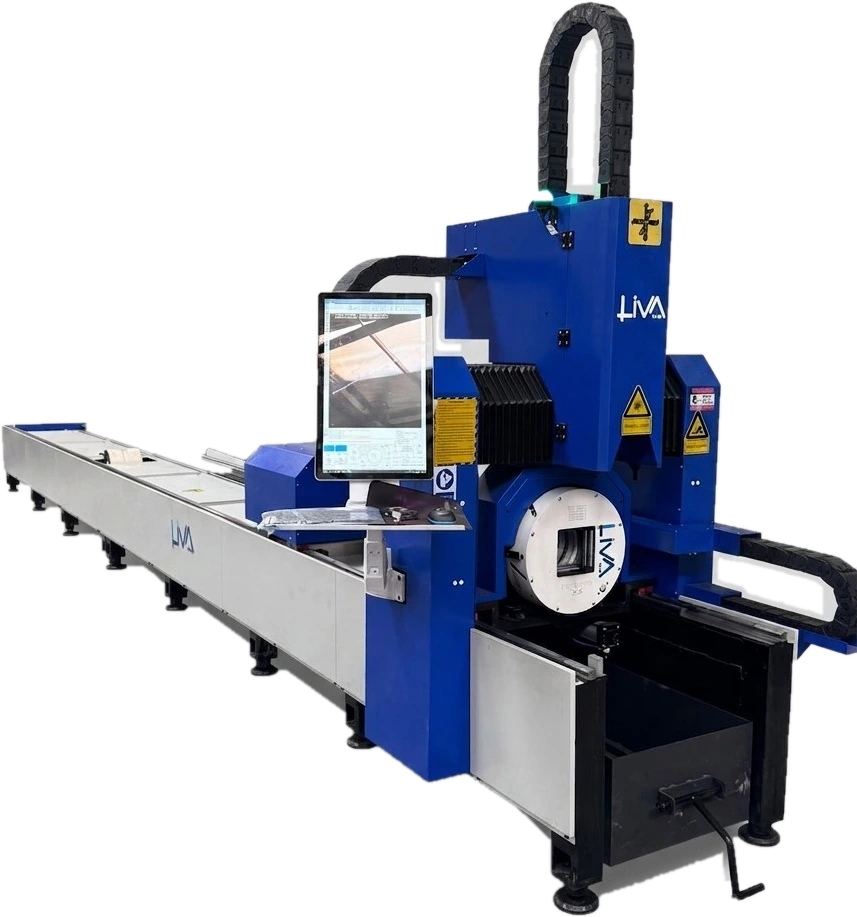
Many fiber laser faults start with contamination, cooling problems, poor gas quality or worn consumables. Caught early, they are fixed before cut quality suffers; missed, they can damage the optics, cutting head or laser source.
Maintenance intervals vary by machine, workload and environment. The list below is a general framework; follow the machine manual and the manufacturer's instructions for exact intervals and procedures.
Daily Checks
- Protective window and nozzle: Check that the protective window in the cutting head is clean and the nozzle is not deformed and its hole is still round.
- Chiller: Check water level, water temperature and any alarms.
- Gas pressure: Confirm nitrogen, oxygen or air pressure is at the set value and the lines have no leaks.
- Table: Clean the slats and cutting scrap on the table.
- Alarms and warnings: Read the control screen warnings at the start of each shift.
Weekly Checks
- Linear rails and rack: Remove dust and metal fines and lubricate by the method the manufacturer specifies.
- Dust extraction and filter: Check the fume extraction system and how full the filter is.
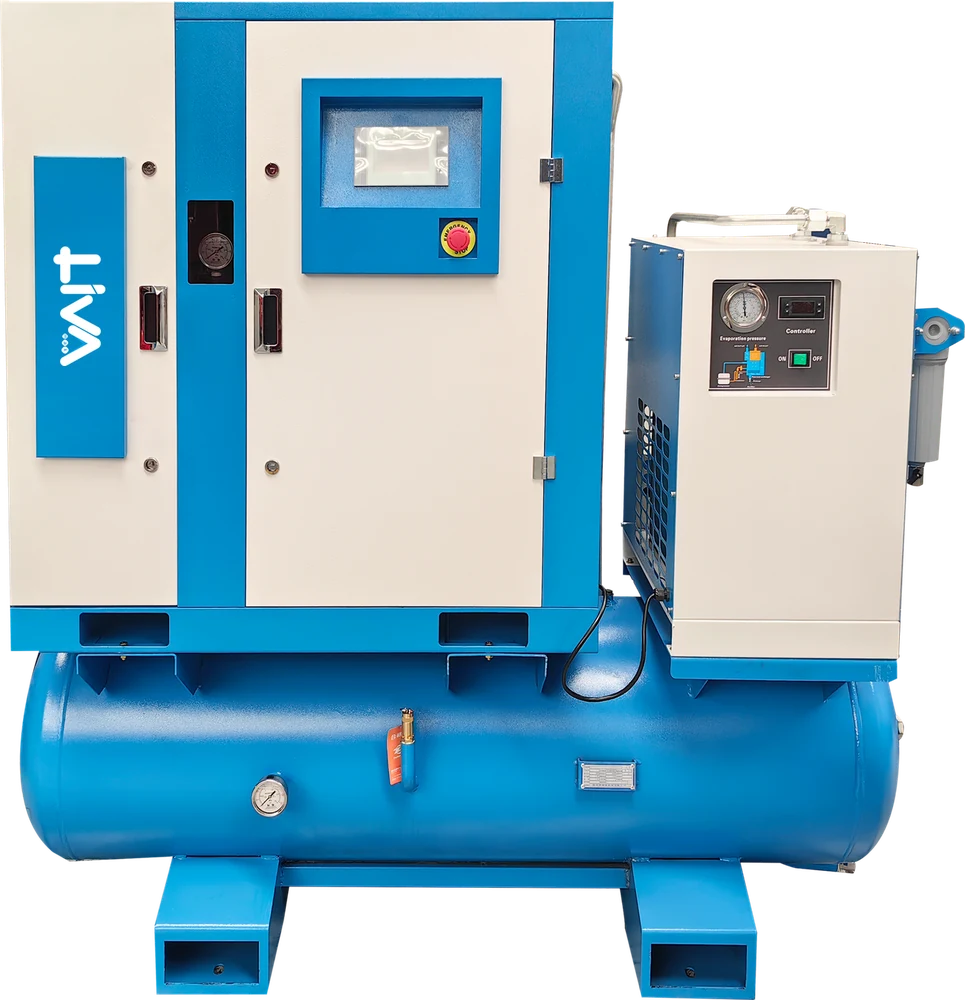
- Air line: If you cut with air, check the compressor dryer and water drain. Wet or oily air contaminates the optics.
- Cutting head: Check the outside for cooling and sealing, and check nozzle centering.
- Cables and hoses: Look for rubbing, kinks or wear.
Monthly and Periodic Checks
- Chiller water and filters: See the manufacturer's recommendation for water quality, filter condition and replacement interval.
- Electrical cabinet and fan filters: Clean dust build-up; only an authorized person should open the cabinet.
- Axis and dimension check: Cut a test part and check dimensions and corner quality. Deviation may call for calibration.
- Gas system: Check connections and regulators.
- Annual check: Plan an expert service inspection of the laser source, cutting head and servo systems at least once a year.
Safety and Good Practice
- Switch the machine off and isolate power before maintenance; never work on optical parts while the laser source is on.
- Do not touch lenses or the protective window with bare hands; work in a clean, dust-free place.
- Record maintenance dates and replaced parts on a log; it helps a lot when a problem appears.
- Consult the manufacturer before working on parts under warranty.
We explain when to replace the lens and protective window in When to Replace the Lens and Protective Window. If you cut with air, compressor selection also directly affects maintenance. For questions about your machine, contact us.
Frequently Asked Questions
How often should a fiber laser be maintained?
Checks such as protective window, nozzle, water and gas are daily; rail and filter cleaning is weekly; chiller and electrical care is monthly. See the machine manual for exact intervals.
Does the operator or a service technician do maintenance?
Daily and weekly cleaning and checks can be done by a trained operator. The laser source, electrical cabinet and optical calibration should be left to an expert technician.
What happens if maintenance is skipped?
Cut quality drops, consumables wear quickly and costly faults can occur in the optics, cutting head or laser source.
Why is the chiller so important?
The laser source and cutting head work with cooling. If water temperature or quality is off, the machine alarms or parts can be damaged.
Who can I ask for a maintenance plan for my machine?
Write to us and we can outline a plan for your model.